
In today’s fast-paced, consumer-driven world, it’s easy to feel caught up in the whirlwind of “more is better.” From the latest tech gadgets to high-end fashion and extravagant vacations, we are constantly encouraged to indulge and accumulate. Social media influencers, advertising, and peer pressure often paint the picture of a fulfilling life as one where you’re always acquiring more. But have we stopped to ask ourselves: is all this stuff truly contributing to our happiness and well-being?
The answer might surprise you. The path to a better future doesn’t lie in accumulation or over-consumption; it lies in conscious choices. By adopting a simple, minimalist lifestyle and focusing on what truly matters, we can enhance our lives, save money, and contribute to a healthier planet — all without sacrificing joy or fulfillment. In this article, we’ll explore how making intentional, mindful decisions can lead to a more rewarding and sustainable future.
The Over-Consumption Trap: More Isn’t Always Better
We live in an age where instant gratification is the norm. With just a few clicks, we can have the latest gadget, the trendiest clothing, or a vacation in a tropical paradise. But the harsh truth is, much of this over-consumption doesn’t bring lasting happiness. It often leads to stress, financial strain, and environmental damage.
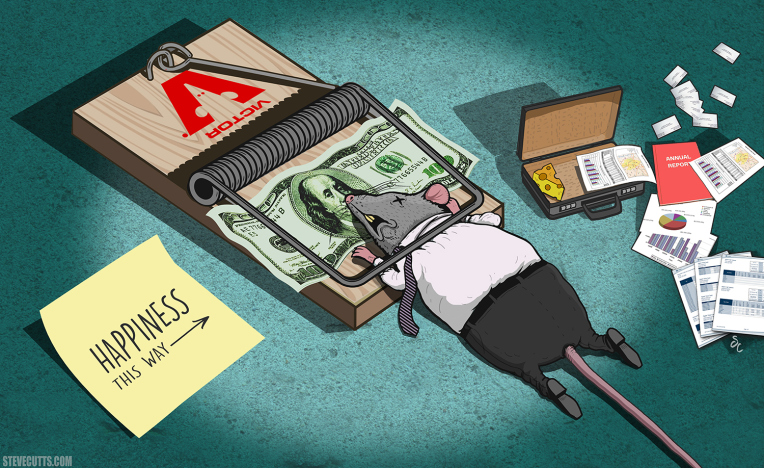
Here are a few reasons why over-consuming can harm both your wallet and your well-being:
- Financial Burden: Buying things impulsively, whether they’re the newest fashion or an unnecessary gadget, can lead to debt and financial instability. Many people live paycheck to paycheck, constantly chasing the next purchase to feel satisfied.
- Emotional Drain: Constantly striving for more can leave you feeling drained. Material possessions may bring temporary pleasure, but they don’t fulfill your deeper emotional needs. In the long run, they only add to the clutter — both in your life and in your mind.
- Environmental Impact: Over-consuming isn’t just an individual problem; it’s a global one. The fashion industry alone accounts for a significant amount of pollution. The environmental costs of overproduction and overconsumption are astronomical.
The Power of Conscious Choices
The first step to making a positive change is understanding that we have the power to make conscious decisions. Every purchase, every moment spent, and every habit formed is a choice. By making deliberate, thoughtful decisions, we can live more simply, reduce waste, and increase our overall happiness.
1. Define What Truly Matters
Living consciously starts with identifying what is truly important to you. Is it a career achievement, spending time with loved ones, creating meaningful experiences, or living sustainably? Once you know your core values, you can align your decisions with them. Ask yourself:
- What are my long-term goals?
- What brings me true joy and fulfillment?
- How can I contribute to the world in a meaningful way?
By defining what truly matters, you will realize that many of the things you thought you “needed” are not necessary at all.
2. Adopt a Minimalist Lifestyle
Minimalism is the art of living with less, focusing on quality rather than quantity. It’s about reducing the physical and mental clutter that fills our lives. When we have fewer things to worry about or maintain, we free up space for more meaningful experiences. Here’s how you can embrace a minimalist lifestyle:
- Declutter Your Space: Start by cleaning out your home. Let go of items you haven’t used in months or years. The more space you create, the more room you make for clarity and peace of mind. A clean, organized home leads to a calmer mind.
- Curate Your Belongings: Instead of filling your home with items based on impulse or trends, invest in things that truly add value to your life. Choose quality over quantity, and opt for items that serve a purpose, bring you joy, or are long-lasting.
- Be Intentional with Purchases: Before buying anything, ask yourself if you really need it. Will it enhance your life or add to your clutter? Avoid emotional purchases driven by social media or marketing tactics.
3. Embrace Experiences Over Possessions
True happiness comes from experiences, not material things. While buying something new may offer a temporary thrill, experiences build lasting memories that bring fulfillment. Whether it’s a weekend getaway, a cooking class, or simply enjoying nature, investing in experiences enriches your life in a way that stuff cannot.
Here are some ways to embrace experiences over possessions:
- Travel Light: Instead of buying a new wardrobe for a vacation, pack smart and enjoy the experience of exploring a new place. Travel doesn’t have to be expensive — there are many ways to explore the world on a budget.
- Prioritize Hobbies: Whether it’s painting, hiking, cooking, or volunteering, make time for hobbies that bring joy and personal growth. Hobbies foster creativity, reduce stress, and strengthen connections with others.
- Cultivate Relationships: Spending quality time with friends, family, or your partner is an investment that always pays off. The memories you create together will be more valuable than any object.
4. Stop Impulse Buying and Practice Patience
One of the biggest challenges in today’s world is the constant urge to buy something we don’t need. Impulse buying is often a result of emotional triggers, marketing tactics, or the fear of missing out (FOMO). But these purchases rarely add value to our lives. In fact, they usually leave us feeling regretful and financially drained.

Here are some strategies to combat impulse buying:
- Wait 24 Hours: Before making a purchase, give yourself 24 hours to reflect. This simple pause will allow the initial excitement to wear off, helping you make a more rational decision.
- Set a Budget: Create a monthly budget that accounts for necessary expenses like groceries, bills, and savings. Stick to it, and avoid unplanned purchases outside of your budget.
- Unsubscribe from Marketing Emails: Unsubscribe from online stores and brands that send constant promotional emails. The less you see tempting sales, the less likely you are to give in to impulse buying.
The Financial Benefits of Conscious Living
Adopting a conscious lifestyle doesn’t just improve your emotional well-being; it can also improve your financial situation. By making thoughtful choices, you’ll find yourself spending less and saving more.
1. Saving Money by Reducing Unnecessary Purchases
The more mindful you are about your purchases, the less you’ll spend on things that don’t add value. Imagine how much you could save by cutting back on things like:
- Trendy clothes or accessories
- Daily coffee shop visits
- Subscriptions or memberships you don’t use
- Impulse buys that aren’t essential
Over time, these savings can add up and help you build a solid financial foundation for the future.
2. Investing in What Truly Matters
Rather than buying things to keep up with trends or impress others, focus your money on things that will bring long-term value. This could include:
- Saving for the future: Whether it’s building an emergency fund or saving for retirement, conscious living allows you to prioritize your financial future.
- Experiences and relationships: As mentioned earlier, investing in meaningful experiences and relationships often provides more lasting happiness than any material possession could.
- Health and well-being: Investing in activities that improve your physical and mental health — such as gym memberships, healthy food, or self-care routines — ensures that you’re living your best life for years to come.
The Environmental Impact of Conscious Living
Conscious living also has a positive impact on the environment. By consuming less, reducing waste, and prioritizing sustainable choices, you help protect the planet for future generations. Here’s how living simply can benefit the environment:
- Reducing waste: By choosing quality over quantity and being mindful of your purchases, you reduce the number of items that end up in landfills.
- Supporting sustainable brands: When you do purchase items, choose brands that prioritize sustainability. Look for products made from recycled materials, those with minimal packaging, or those designed to last.
- Lowering carbon footprint: By traveling less, opting for public transportation, or reducing energy use at home, you lower your carbon footprint and help combat climate change.
Final Thoughts: A Simple Life Can Lead to a Better Future
The future doesn’t have to be one of excess and over-consumption. By making conscious choices — whether it’s decluttering your home, prioritizing experiences, or saving money for what truly matters — you can live a fulfilling and meaningful life without overspending.
Simplicity isn’t about deprivation; it’s about freedom — the freedom to focus on what’s important, to enjoy life without the weight of materialism, and to contribute positively to the world around you. So, make the choice today to embrace a simpler, more intentional life and create a better future for yourself, your family, and the planet.
No responses yet