
Take the Power of Money Into Your Own Hands

Picture source: yuoak Tokyo, Japan
In today’s world, we’re constantly bombarded with advertisements encouraging us to buy more, consume more, and follow the latest trends. This culture of over-consumerism not only drains our wallets but is also contributing to the environmental crisis, particularly the devastating effects of plastic waste. But what if you could take control of your financial future while also making a meaningful impact on the planet? By cutting back on unnecessary consumption and shifting your mindset toward smarter spending, you can make a difference.
In this article, we’ll explore how stopping over-consumerism in the name of aesthetics can help reduce plastic usage, save money, and ultimately increase your financial well-being. We’ll also show you how to invest that saved money into building a solid investment portfolio that will secure your future.
1. The Power of Money: Taking Control of Your Finances

When it comes to managing your finances, many people fall into the trap of spending beyond their means due to social pressures and marketing strategies. The reality is that over-consumerism can prevent you from reaching your financial goals. By taking control of your money, you not only protect your financial health but also align your spending with your values.
- Stop Impulse Buying: One of the biggest contributors to over-consumerism is impulse buying. Whether it’s a trendy outfit or a new gadget, these purchases can add up quickly. Impulse purchases may offer temporary satisfaction, but they don’t contribute to long-term happiness or wealth.
- Track Your Spending: Keep a record of every purchase you make to identify patterns of unnecessary spending. You may be surprised by how much money is going toward things you don’t need.
- Set Financial Goals: Instead of spending mindlessly, establish clear financial goals. Do you want to buy a home? Pay off debt? Or build an investment portfolio? Having a goal will help you focus your spending on things that align with your future.
2. Stop Over-Consumerism in the Name of Aesthetics
In our social media-driven world, aesthetics have become a major driving force behind consumer behavior The constant need to keep up with trends and present a curated image can lead to excessive buying. But the truth is, you don’t need to constantly purchase new products to feel good about yourself.
![By Christopher DOMBRES (Own work) [CC BY-SA 4.0 (https://creativecommons.org/licenses/by-sa/4.0)], via Wikimedia Commons](https://lowimpactorg.onyx-sites.io/wp-content/uploads/OVERCONSUMPTION-e1516826215831.jpg)
Source : Christopher Dombres via Wikimedia Commons

- Quality Over Quantity: Instead of buying several cheap, trend-driven items, invest in high-quality, timeless pieces that will last longer and have more value. Whether it’s clothing, electronics, or home décor, choosing quality over quantity can reduce your overall consumption and save you money in the long run.
- Minimalism as a Lifestyle: Embracing minimalism doesn’t mean you have to give up all your belongings, but it does mean being intentional with your purchases. By focusing on what truly brings value to your life, you reduce unnecessary clutter and waste.
- Sustainable Fashion: The fast fashion industry is a prime example of over-consumerism in the name of aesthetics. Instead of constantly buying the latest trends, consider supporting brands that prioritize sustainability. This way, you’re not only saving money but also contributing to a more sustainable future.
3. Cutting Plastic Usage Through Conscious Consumerism
Plastic waste is one of the most pressing environmental issues of our time. The majority of plastic waste comes from packaging materials, which are often used only once and then discarded. As consumers, we have the power to reduce plastic waste by making conscious choices.
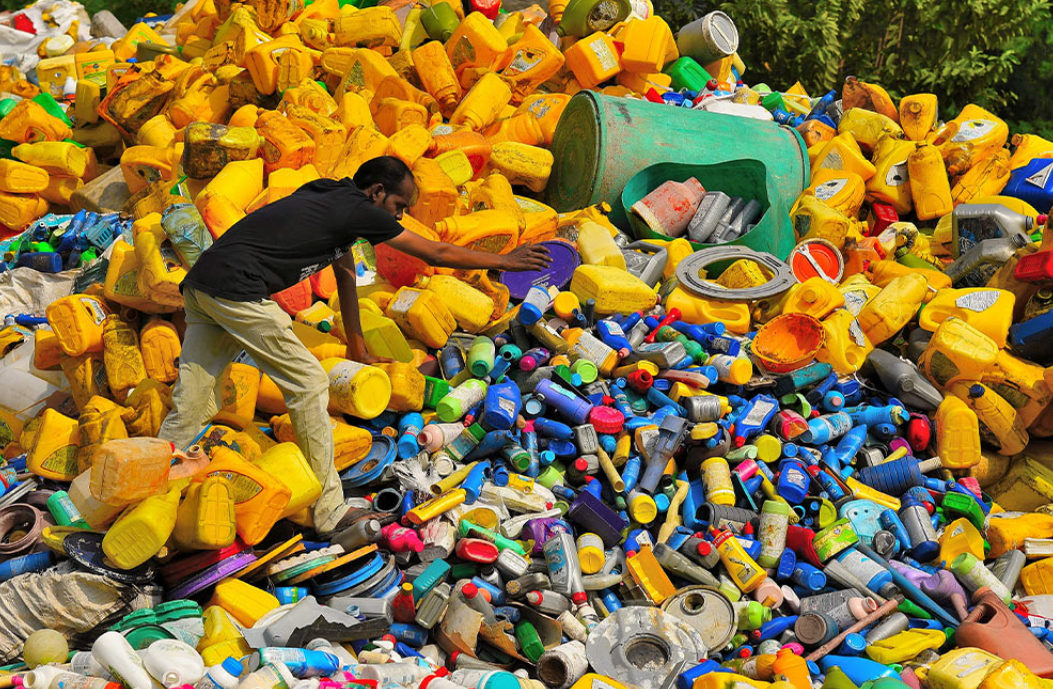
(Source Credits: The Wire)
-
- Reduce Packaging Waste: One of the easiest ways to cut back on plastic usage is by avoiding products with excessive packaging. Look for items that are sold in bulk or those that use recyclable packaging. Simple choices, such as carrying your own reusable bags to the store, can significantly reduce your plastic footprint.
- Support Eco-Friendly Brands: Many companies are making efforts to reduce their environmental impact by offering products with minimal or biodegradable packaging. By supporting these brands, you not only reduce your plastic consumption but also encourage more businesses to adopt sustainable practices.
- Ditch Single-Use Plastics: Single-use plastics, such as straws, bottles, and food containers, are some of the biggest offenders in terms of plastic waste. Replace them with reusable alternatives, such as stainless steel straws, water bottles, and food containers made of glass or bamboo.Source : freepik
4. The High Cost of Over-Consumerism: How it Impacts Your Wallet

Over-consumerism doesn’t just harm the planet; it also harms your personal finances. By continually buying things you don’t need, you’re missing out on opportunities to save and invest in your future. Let’s break down how over-consumerism can hurt your financial goals:
- Unnecessary Expenses Add Up: Small, repeated purchases can quickly add up to large amounts over time. For example, buying coffee every day or constantly upgrading your wardrobe can drain your bank account without adding any real value to your life.
- Missed Opportunities for Saving: Money that is spent on unnecessary items is money that could have been saved or invested. The more you focus on consuming, the less money you have to build your savings and investments.
- Debt Accumulation: Over-spending on material goods often leads to accumulating debt. High credit card balances, loans, and interest payments can pile up, leaving you financially vulnerable and stressed.
5. Saving Money and Increasing Your Financial Freedom

One of the most powerful ways to improve your financial situation is by cutting back on wasteful spending and using that money to build your savings. When you stop over-consuming, you have more freedom to make choices that align with your long-term financial goals.
- Emergency Fund: Start by building an emergency fund. This will give you a financial cushion in case of unexpected events, such as medical bills, car repairs, or job loss. Financial experts recommend saving at least three to six months’ worth of living expenses.
- Debt Repayment: If you have any outstanding debt, use your savings to pay it off more quickly. Reducing debt can free up more money for other financial goals, such as investing and saving for retirement.
- Short-Term and Long-Term Goals: Having a clear financial plan can help you prioritize where your savings should go. Are you saving for a vacation or a down payment on a home? Or are you focused on long-term investments like retirement accounts or real estate? By allocating your money with purpose, you can accelerate your path to financial freedom
6. Building an Investment Portfolio: Your Path to Wealth
Once you’ve saved up enough money and reduced unnecessary spending, it’s time to think about growing your wealth through investments. Building an investment portfolio is one of the best ways to secure your financial future.

- Start Early: The earlier you begin investing, the more you benefit from the power of compound interest. Even small contributions to your investment portfolio can grow substantially over time.
- Diversify Your Investments: It’s important to diversify your investments across various asset classes, such as stocks, bonds, real estate, and mutual funds. This helps spread risk and ensures that your portfolio is well-rounded.
- Automate Contributions: Set up automatic contributions to your investment accounts to ensure consistency. This takes the guesswork out of investing and helps you stay on track toward your goals.
- Seek Professional Advice: If you’re new to investing, consider seeking advice from a financial advisor. They can help you make informed decisions and guide you toward the best investment strategy based on your goals and risk tolerance.
 Source : freepik
7. A Call to Action: Make Conscious Choices for a Better Future
Taking control of your money, reducing plastic consumption, and building a solid investment portfolio isn’t just about saving money—it’s about making a meaningful impact on your life and the planet. By stopping over-consumerism and aligning your spending with your values, you can create a better, more sustainable future for yourself and future generations.
- Make Conscious Spending Decisions: Be intentional with your purchases and think about how they align with your financial goals and values.
- Invest in Your Future: Shift your focus from spending to saving and investing. Over time, this will increase your wealth and provide more opportunities for financial freedom.
- Support Sustainable Brands: Choose products and brands that prioritize sustainability, and advocate for practices that reduce waste and environmental harm.
By taking these steps, you can make a powerful difference in your life, your finances, and the environment. Remember, every small choice counts. The power of money is in your hands—use it wisely for your benefit and the world around you.
No responses yet